
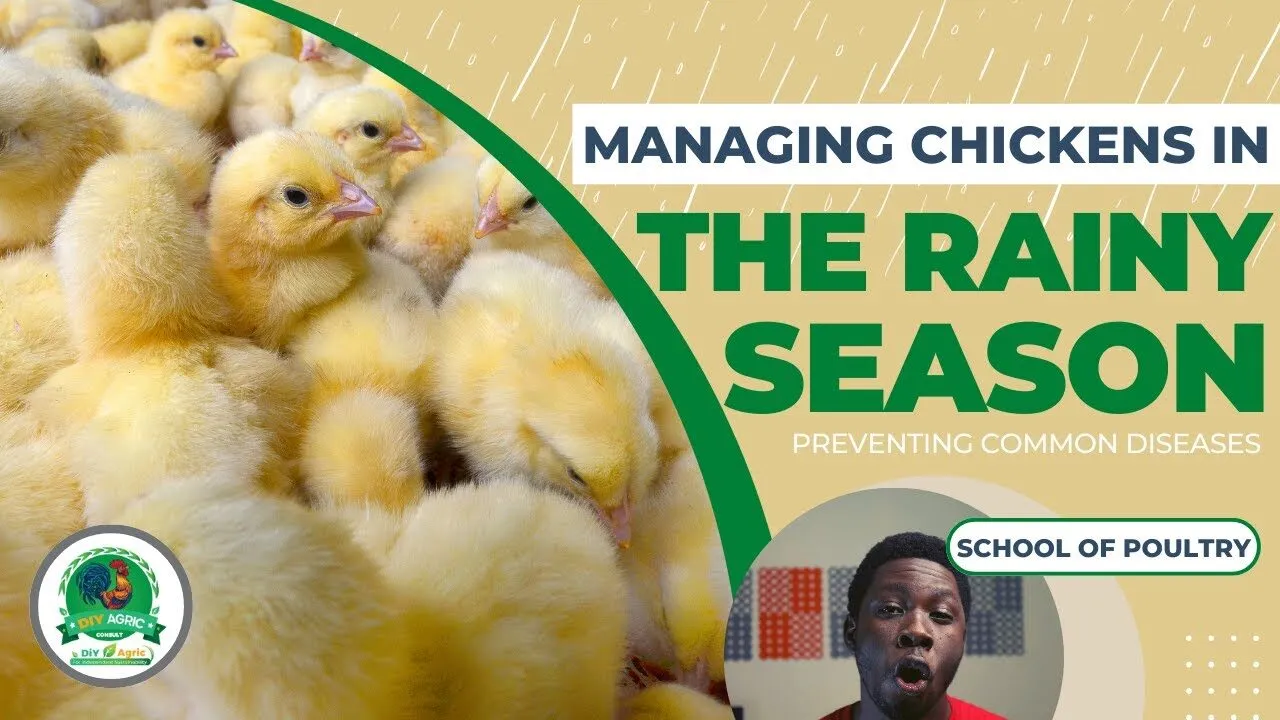
For poultry farmers, the rainy season brings both relief and high risk. While the cooler temperatures are welcome, the increased humidity and damp conditions create a breeding ground for bacteria, viruses, and parasites. Managing a flock during this period requires a proactive approach to biosecurity and health management.
In this comprehensive guide, we will explore the common chicken diseases in the rainy season, how to identify symptoms early, and the most effective prevention and treatment strategies to keep your flock healthy and productive.
1. Why the Rainy Season is Dangerous for Poultry
Rainy weather impacts poultry health through three main factors:
High Humidity: Moisture in the air slows down the evaporation of waste, leading to ammonia buildup in the coop.
Damp Litter: Wet bedding is the perfect environment for coccidia and mold (fungi) to thrive.
Cold Stress: Sudden temperature drops can weaken a chicken’s immune system, making them more susceptible to respiratory infections.
2. Common Chicken Diseases During the Rainy Season
A. Coccidiosis (The Silent Killer)
Coccidiosis is perhaps the most common threat when the ground is wet. It is caused by microscopic parasites called Eimeria that attach to the intestinal lining.
Symptoms: Bloody droppings, ruffled feathers, weight loss, and severe lethargy.
Treatment: Use Amprolium in the drinking water immediately. Ensure the flock is separated from wet soil.
B. Fowl Pox
Transmitted largely by mosquitoes, which breed rapidly in stagnant rainwater, Fowl Pox can spread quickly through a flock.
Symptoms: Warty nodules on the comb, wattles, and eyelids (Dry Pox) or cankers in the mouth and throat (Wet Pox).
Prevention: The only effective way to manage Fowl Pox is through vaccination and controlling the mosquito population around the farm.
C. Coryza and Respiratory Infections
Infectious Coryza is a severe respiratory disease aggravated by cold, damp winds.
Symptoms: Swelling of the face, foul-smelling discharge from the eyes and nose, and labored breathing.
Treatment: Antibiotics such as Erythromycin or Tetracycline are often required, but consultation with a vet is essential to prevent antibiotic resistance.
D. Aspergillosis (Brooder Pneumonia)
This is a fungal infection caused by inhaling spores from moldy litter or feed.
Symptoms: Gasping for air, silent breathing (unlike the clicking sound of Coryza), and increased thirst.
Prevention: Strictly avoid using moldy straw or wood shavings. Keep the coop dry at all costs.
3. Effective Prevention Strategies (The SEO Checklist)
To maintain a “chuan SEO” (standard) farm operation, prevention must be your priority. Follow these five pillars of rainy season poultry management:
1. Maintain Dry Litter Management
Litter is your first line of defense. Wet litter leads to foot sores and parasitic outbreaks.
Turn the litter frequently to keep it aerated.
If a patch gets wet due to a roof leak, remove it immediately and replace it with fresh, dry shavings.
Use lime powder on the floor before adding new litter to help absorb moisture and kill pathogens.
2. Biosecurity and Sanitation
Pathogens often enter the farm via the farmer’s boots or equipment.
Footbaths: Place a disinfecting footbath at the entrance of the coop.
Restricted Access: Limit the number of visitors during the rainy season.
Stagnant Water: Drain any puddles around the coop area to prevent mosquito breeding.
3. Nutritional Boosting
A strong immune system is the best defense. During the rains, chickens use more energy to stay warm.
Vitamin Supplements: Add water-soluble vitamins (A, D, E, and K) and electrolytes to their water twice a week.
Probiotics: These help maintain gut health, which is vital for fighting off Coccidiosis.
Check Feed Quality: Store feed in airtight containers to prevent mold growth caused by humidity.
4. Ventilation Without Drafts
It is a common mistake to seal the coop completely to keep it warm. This traps ammonia and moisture inside.
Ensure there is high-level ventilation to let moist air out.
Block direct cold winds at the bird’s level using curtains or bamboo mats.
5. Vaccination Schedule
Ensure your flock is up to date with Newcastle Disease (ND), Infectious Bursal Disease (Gumboro), and Fowl Pox vaccines before the rainy season begins. A vaccinated bird has a significantly higher survival rate when an outbreak occurs in the area.
4. Step-by-Step Treatment Protocol
If you notice a sick bird, follow these steps:
Isolate: Move the sick chicken to a “quarantine” cage away from the healthy flock.
Diagnose: Check the droppings and breathing patterns.
Clean: Sanitize all drinkers and feeders with a mild bleach solution.
Medicate: Administer the correct treatment (Antiprotozoals for Coccidiosis, Antibiotics for Coryza) via water for the entire flock if the disease is contagious.
Recovery: Provide extra warmth and “highly palatable” feed to encourage the sick bird to eat.
5. Conclusion
Managing chicken diseases in the rainy season is a test of a farmer’s diligence. By focusing on keeping the environment dry, providing high-quality nutrition, and maintaining strict biosecurity, you can minimize losses and ensure a productive season. Remember, in poultry farming, an ounce of prevention is worth a pound of cure.
Stay observant, keep your boots clean, and listen to your birds—they will tell you if something is wrong long before an outbreak turns into a disaster.